
[vc_row][vc_column width=”2/3″][cws_sc_spacing height=”20px”][cws_sc_text title_tag=”h1″ add_divider=”1″ custom_title_color=”#0f1042″ title=”Sulphur Dioxide Gas Detectors(SO2)“][/cws_sc_text][cws_sc_spacing height=”20px”][cws_sc_text]
Sulphur Dioxide Gas Detector Solutions by International Gas Detectors Ltd.
Sulphur Dioxide Gas Detectors from International Gas Detectors – We can provide a range of fixed sensors and portable gas monitors for the detection of SO2.
It is important for many industries to have accurate and fast detection of sulphur dioxide to avoid the gas reaching dangerous toxic levels.
Discover our range of SO2 gas detector and associated instruments. Designed specifically for the detection of SO2. Our sulphur dioxide gas detector range includes:[/cws_sc_text][vc_row_inner css=”.vc_custom_1618909526496{margin-top: 15px !important;margin-bottom: 15px !important;padding-left: 10px !important;background-color: #ffffff !important;}”][vc_column_inner width=”1/3″][cws_sc_text]
TOC-750 Addressable Safe Area Gas Detector
[/cws_sc_text][cws_sc_spacing height=”20px”][cws_sc_text]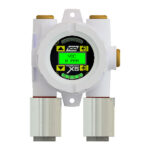
TOC-903-X5 Standalone ATEX Gas Detector with Display
[/cws_sc_text][/vc_column_inner][vc_column_inner width=”1/3″][cws_sc_text]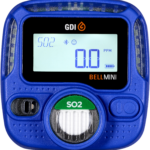
Portable Sulphur Dioxide Detector – Available to Purchase Online
[/cws_sc_text][cws_sc_spacing height=”20px”][cws_sc_text]
TOC-30 Analogue Gas Detector (4-20mA) Available to Purchase Online
[/cws_sc_text][/vc_column_inner][vc_column_inner width=”1/3″][cws_sc_text]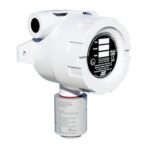
TOC-750X Addressable Explosion Proof Gas Detector
[/cws_sc_text][cws_sc_spacing height=”20px”][cws_sc_text]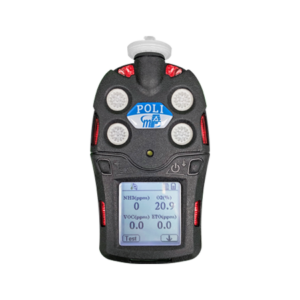
[/cws_sc_text][/vc_column_inner][/vc_row_inner][vc_row_inner css=”.vc_custom_1611766180394{margin-top: 15px !important;margin-bottom: 15px !important;padding-left: 10px !important;background-color: #ffffff !important;}”][vc_column_inner][cws_sc_text customize_size=”1″ subtitle_size=”16px” title_size=”20px” title=”Occupational Exposure Levels” custom_styles=”.vc_custom_1611766173853{background-color: #ffffff !important;}”][/cws_sc_text][cws_sc_spacing height=”20px”][/vc_column_inner][/vc_row_inner][vc_row_inner css=”.vc_custom_1589195056109{margin-top: 15px !important;margin-bottom: 15px !important;padding-left: 10px !important;background-color: #f2f2f2 !important;}”][vc_column_inner width=”1/4″][cws_sc_spacing height=”20″][vc_single_image image=”8007″ img_size=”334×300″ alignment=”center”][/vc_column_inner][vc_column_inner width=”1/2″][cws_sc_text customize_size=”1″ subtitle_size=”16px” title_size=”20px” custom_title_color=”#0f1042″ title=”STEL: 1ppm“](Short Term exposure Limit – 15mins)[/cws_sc_text][cws_sc_text customize_size=”1″ subtitle_size=”16px” title_size=”20px” custom_title_color=”#0f1042″ title=”TWA: 0.5ppm“]
(Time Weighted Average – 8hrs)
[/cws_sc_text][/vc_column_inner][vc_column_inner width=”1/4″][/vc_column_inner][/vc_row_inner][cws_sc_spacing height=”20″][cws_sc_text customize_size=”1″ subtitle_size=”18px” title_size=”28px” custom_subtitle_color=”#38beef” custom_title_color=”#0f1042″ subtitle=”Alarm Recommendations” title=”Rising Latching Alarms for Life Safety Applications“][/cws_sc_text][vc_row_inner css=”.vc_custom_1589195063860{margin-bottom: 15px !important;padding-bottom: 20px !important;padding-left: 10px !important;background-color: #f2f2f2 !important;}”][vc_column_inner width=”1/4″][vc_single_image image=”8008″ img_size=”305×300″ alignment=”center”][/vc_column_inner][vc_column_inner width=”1/4″][cws_sc_spacing height=”15″][cws_sc_text add_divider=”1″ customize_size=”1″ subtitle_size=”16px” title_size=”20px” custom_title_color=”#0f1042″ title=”First Alarm“]0.5ppm[/cws_sc_text][/vc_column_inner][vc_column_inner width=”1/4″][cws_sc_spacing height=”15″][cws_sc_text add_divider=”1″ customize_size=”1″ subtitle_size=”16px” title_size=”20px” custom_title_color=”#0f1042″ title=”Second Alarm“]1ppm[/cws_sc_text][/vc_column_inner][vc_column_inner width=”1/4″][cws_sc_spacing height=”15″][cws_sc_text add_divider=”1″ customize_size=”1″ subtitle_size=”16px” title_size=”20px” custom_title_color=”#0f1042″ title=”Third Alarm“]Optional[/cws_sc_text][/vc_column_inner][/vc_row_inner][vc_row_inner css=”.vc_custom_1589197235174{padding-bottom: 20px !important;}”][vc_column_inner][vc_single_image image=”8052″ img_size=”full” alignment=”center”][/vc_column_inner][/vc_row_inner][vc_row_inner css=”.vc_custom_1589197491908{padding-bottom: 30px !important;background-color: #f2f2f2 !important;}”][vc_column_inner][cws_sc_text customize_size=”1″ title_size=”30px” custom_title_color=”#0f1042″ title=”Sulphur Dioxide(SO2) Characteristics:“][/cws_sc_text][/vc_column_inner][/vc_row_inner][vc_row_inner][vc_column_inner][vc_column_text]Sulphur dioxide(SO2) is a colourless gas with an irritating pungent odour. It readily dissolves in water and is one of the main chemicals that causes acid rain.
It is a common air pollutant and is produced naturally by active volcanoes and forest fires. The majority of SO2 present in the environment is due to the burning of coal and oil at large industrial plants such as oil refineries and power stations. Motor vehicles, domestic boilers and fires also release the gas into the environment.
Note exposure levels are listed on Health and Safety Executives EH 40 Document. (exposure levels quoted in the above table).
Industrial Uses of SO2
One of the main uses of sulphur dioxide is as a chemical intermediate in the production of sulphuric acid. It is also used:
- as a fumigant
- a food preservative
- as a bleaching agent.
- additionally it has been used in the purification of petroleum products.
Health Hazards:
For the general population, exposure to SO2 is most likely to occur breathing in air that contains it due to the combustion of fuel for heating and cooking and the use of motor vehicles.
Exposure to sulphur dioxide can occur in the workplace, in industrial facilities such as power plants and refineries or in industries where it is used.
Breathing in sulphur dioxide causes irritation of the nose and throat. Exposure to higher concentrations can cause nausea, vomiting, stomach pain and corrosive damage to the airways and lungs. People with asthma may be more sensitive to the effects of sulphur dioxide. Skin contact with sulphur dioxide causes stinging pain, redness of the skin and blisters. Skin contact with compressed gas or liquid can cause frostbite. Eye contact will cause watering eyes and, in severe cases, blindness can occur.
Before using the gas please consult its Safety Data Sheet found on the BOC website.[/vc_column_text][cws_sc_spacing height=”32px”][/vc_column_inner][/vc_row_inner][vc_row_inner css=”.vc_custom_1589197482293{padding-bottom: 30px !important;background-color: #f2f2f2 !important;}”][vc_column_inner][cws_sc_text title_tag=”h2″ customize_size=”1″ title_size=”30px” custom_title_color=”#0f1042″ title=”IGD’s Sulphur Dioxide Detector Solutions:“][/cws_sc_text][/vc_column_inner][/vc_row_inner][vc_row_inner][vc_column_inner][vc_column_text]We offer a wide range of sulphur dioxide detector solutions, including our ground breaking 2-Wire™ addressable Sulphur Dioxide Detector and portable monitors, to meet the demands of site:
- 2-Wire™ Addressable Safe Area Sulphur Dioxide Detector
- 2-Wire™ Addressable ATEX SO2 Detector
- Legacy 4-20mA Detector
- Portable sulphur dioxide detector.
[/vc_column_text][/vc_column_inner][/vc_row_inner][/vc_column][vc_column width=”1/3″ css=”.vc_custom_1589191448889{margin-left: 20px !important;}”][vc_wp_custommenu title=”Gases” nav_menu=”91″][cws_sc_spacing height=”32px”][cws_sc_text custom_title_color=”#0f1042″ title=” Related Articles“][/cws_sc_text][cws_sc_text] [/cws_sc_text][cws_sc_text]
 [/cws_sc_text][cws_sc_text]
 [/cws_sc_text][/vc_column][/vc_row]