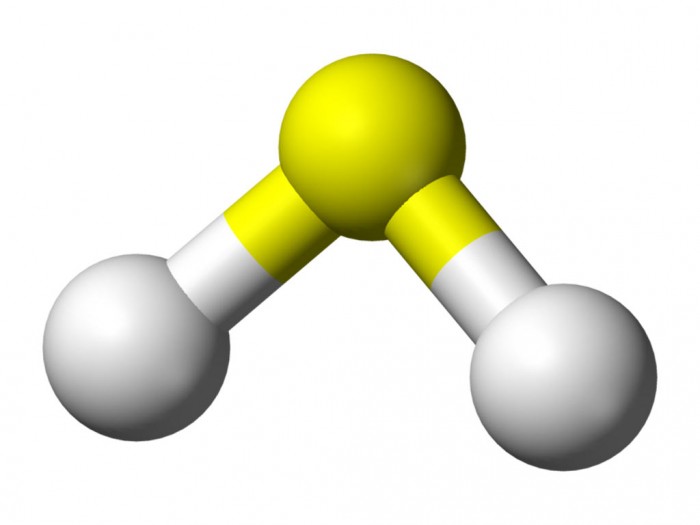
Hydrogen Sulphide (H2S) is a colourless gas with a characteristic rotten eggs odour, it is also highly poisonous. Hydrogen Sulphide occurs naturally during plant and animal decay. Hydrogen Sulphide also occurs in volcanic gases. Hydrogen Sulphide will therefore naturally occur in landfill sites, bio-digesters, slurry pits, sewage treatment plants, sewers, some oil fields. Furthermore it is readily absorbed by the lungs, skin and eyes.
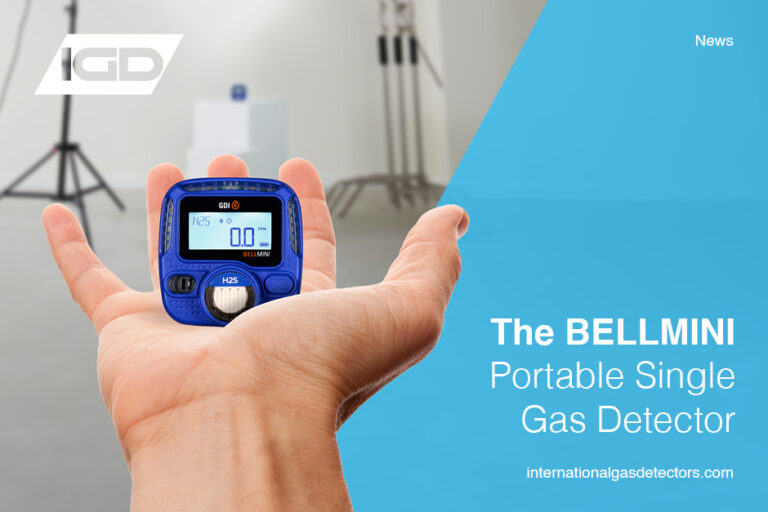
With over 100 years within the gas detection industry and being an independent manufacturer, we can provide clients with a variety of hydrogen sulphide gas detector solutions. From fixed addressable systems such as our 750 addressable safe area hydrogen sulphide gas detector; to portable monitors for personnel PPE. No project or application is too small or large for IGD. We support our clients from initial enquiry, through design, install to ongoing aftercare and training.
H2S Hazards and Health Effects:
Exposure to high concentrations of hydrogen sulphide can have a severe effect on your health, effects may include collapse, inability to breathe and death within minutes. A range of effects on the nervous and cardiovascular system may occur following single or repeated exposures to high hydrogen sulphide concentrations.
Skin discolouration
pain
itching
skin redness
local frostbite may occur if skin is exposed to compressed hydrogen sulphide liquid.
Unlike some other toxic materials it is not possible to build any resistance to the gas. Repeated exposures may make you more sensitive. Persons who have been drinking alcohol may be more sensitised to the effects of Hydrogen Sulphide poisoning.
0.47 ppb (Parts pr Billion) is the odour threshold, the point at which the human nose can detect and recognise H2S.
10 ppm is the OSHA permissible exposure limit (PEL) (8 hour time-weighted average).
10–20 ppm is the borderline concentration for eye irritation.
20 ppm is the acceptable ceiling concentration established by OSHA.
50 ppm is the acceptable maximum peak above the ceiling concentration for an 8-hour shift, with a maximum duration of 10 minutes.
50–100 ppm leads to eye damage.
At 100–150 ppm your sense of smell (olfactory nerve) is paralysed after a few inhalations, and the sense of smell disappears, often together with awareness of danger.
320–530 ppm leads to pulmonary oedema with the possibility of death.
530–1000 ppm causes strong stimulation of the central nervous system and rapid breathing, leading to loss of breathing.
800 ppm is the lethal concentration for 50% of humans for 5 minutes exposure.
Concentrations over 1000 ppm cause immediate collapse with loss of breathing, even after inhalation of a single breath.
Hydrogen Sulphide is also very flammable with a Lower Explosive Limit of 4.3% by volume and is extremely corrosive.
Related Products
TOC-750 Addressable PID VOC Detector
TOC-750X Photoionisation Detector
TOC-750 Fixed SF6 Gas Detector – Addressable Detector
TOC-625-NHS – Oxygen Enrichment Monitor
TOC-30 Analogue Gas Detector
TOC-20 Refrigerant Gas Detector
Common Applications
Industrial Refrigeration
Farming & Agriculture
Food Processing
Green Energy
IGD Hydrogen Sulphide Gas Detector Solutions:
We have a wide range of hydrogen sulphide gas detector technologies, both safe area and ATEX/IECEx Hydrogen Sulphide gas detector. This includes our latest ground breaking addressable 2-Wire™ addressable technology: