
[vc_row][vc_column width=”2/3″][cws_sc_spacing height=”20px”][cws_sc_text title_tag=”h1″ add_divider=”1″ custom_title_color=”#0f1042″ title=”Oxygen Gas Detectors (O2)“][/cws_sc_text][cws_sc_spacing height=”20px”][cws_sc_text]
Oxygen Gas Detector Solutions by International Gas Detectors Ltd.
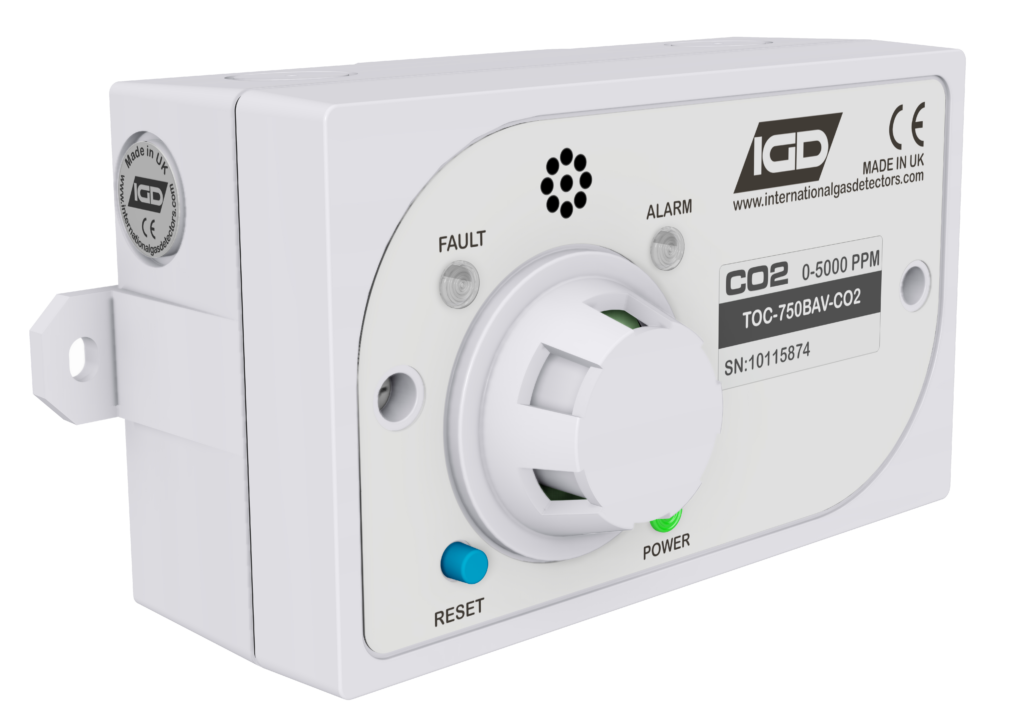
Oxygen Gas Detectors from International Gas Detectors – We can provide a range of fixed sensors and portable gas monitors for the detecting depleted or enrichment O2 environments.
It is important for many industries to have oxygen gas detectors in place to detect for either a depleted atmosphere (lack of) or enriched atmosphere.
Discover our range of oxygen gas detector and associated instruments. Designed specifically for the detection of O2. Our oxygen gas detector range includes:[/cws_sc_text][vc_row_inner css=”.vc_custom_1616158084962{margin-top: 15px !important;margin-bottom: 15px !important;padding-left: 10px !important;background-color: #ffffff !important;}”][vc_column_inner width=”1/3″][cws_sc_text]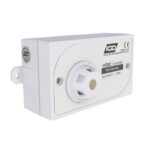
TOc-750 Addressable Safe Area Gas Detector
[/cws_sc_text][cws_sc_spacing height=”20px”][cws_sc_text]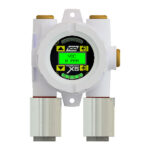
TOC-902-X5 Standalone Explosion Proof Gas Detector
[/cws_sc_text][cws_sc_spacing height=”20px”][cws_sc_text]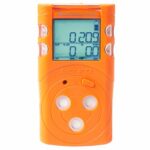
Portable Multi Gas Detector for Confined Spaces
[/cws_sc_text][/vc_column_inner][vc_column_inner width=”1/3″][cws_sc_text]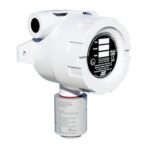
TOC-750X ATEX Addressable Gas Detector
[/cws_sc_text][cws_sc_spacing height=”20px”][cws_sc_text]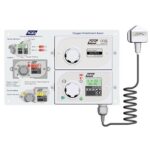
TOC-625-NHS Standalone Plug & Play Oxygen Enrichment Detector
[/cws_sc_text][cws_sc_spacing height=”20px”][cws_sc_text]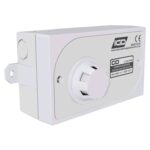
TOC-30 Analogue (4-20mA) Gas Detector
[/cws_sc_text][/vc_column_inner][vc_column_inner width=”1/3″][cws_sc_text]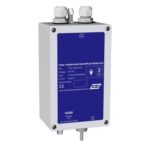
TOC-750S Aspirated (Sampling) Addressable Gas Detector
[/cws_sc_text][cws_sc_spacing height=”20px”][cws_sc_text]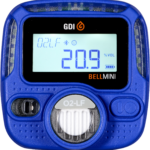
[/cws_sc_text][/vc_column_inner][/vc_row_inner][vc_row_inner css=”.vc_custom_1611764038583{margin-top: 15px !important;margin-bottom: 15px !important;padding-left: 10px !important;background-color: #ffffff !important;}”][vc_column_inner][cws_sc_text customize_size=”1″ subtitle_size=”16px” title_size=”20px” title=”Occupational Exposure Levels” custom_styles=”.vc_custom_1611764032926{background-color: #ffffff !important;}”][/cws_sc_text][cws_sc_spacing height=”20px”][/vc_column_inner][/vc_row_inner][vc_row_inner css=”.vc_custom_1589195056109{margin-top: 15px !important;margin-bottom: 15px !important;padding-left: 10px !important;background-color: #f2f2f2 !important;}”][vc_column_inner width=”1/4″][cws_sc_spacing height=”20″][vc_single_image image=”8007″ img_size=”334×300″ alignment=”center”][/vc_column_inner][vc_column_inner width=”1/2″][cws_sc_text customize_size=”1″ subtitle_size=”16px” title_size=”20px” custom_title_color=”#0f1042″ title=”STEL: N/A“](Short Term exposure Limit – 15mins)[/cws_sc_text][cws_sc_text customize_size=”1″ subtitle_size=”16px” title_size=”20px” custom_title_color=”#0f1042″ title=”TWA: N/A“]
(Time Weighted Average – 8hrs)
[/cws_sc_text][/vc_column_inner][vc_column_inner width=”1/4″][/vc_column_inner][/vc_row_inner][cws_sc_spacing height=”20″][cws_sc_text customize_size=”1″ subtitle_size=”18px” title_size=”28px” custom_subtitle_color=”#38beef” custom_title_color=”#0f1042″ subtitle=”Alarm Recommendations” title=”Rising Latching Alarms for Life Safety Applications“][/cws_sc_text][vc_row_inner css=”.vc_custom_1589195063860{margin-bottom: 15px !important;padding-bottom: 20px !important;padding-left: 10px !important;background-color: #f2f2f2 !important;}”][vc_column_inner width=”1/4″][vc_single_image image=”8008″ img_size=”305×300″ alignment=”center”][/vc_column_inner][vc_column_inner width=”1/4″][cws_sc_spacing height=”15″][cws_sc_text add_divider=”1″ customize_size=”1″ subtitle_size=”16px” title_size=”20px” custom_title_color=”#0f1042″ title=”First Alarm“]19.5%[/cws_sc_text][/vc_column_inner][vc_column_inner width=”1/4″][cws_sc_spacing height=”15″][cws_sc_text add_divider=”1″ customize_size=”1″ subtitle_size=”16px” title_size=”20px” custom_title_color=”#0f1042″ title=”Second Alarm“]18.5%[/cws_sc_text][/vc_column_inner][vc_column_inner width=”1/4″][cws_sc_spacing height=”15″][cws_sc_text add_divider=”1″ customize_size=”1″ subtitle_size=”16px” title_size=”20px” custom_title_color=”#0f1042″ title=”Third Alarm“]23%[/cws_sc_text][/vc_column_inner][/vc_row_inner][vc_row_inner css=”.vc_custom_1589197235174{padding-bottom: 20px !important;}”][vc_column_inner][vc_single_image image=”8045″ img_size=”full” alignment=”center”][/vc_column_inner][/vc_row_inner][vc_row_inner css=”.vc_custom_1589197491908{padding-bottom: 30px !important;background-color: #f2f2f2 !important;}”][vc_column_inner][cws_sc_text customize_size=”1″ title_size=”30px” custom_title_color=”#0f1042″ title=”Characteristics of Oxygen (O2):“][/cws_sc_text][/vc_column_inner][/vc_row_inner][vc_row_inner][vc_column_inner][vc_column_text]Oxygen (O2) is one of the main components for air and occurs normally at 20.9% in the atmosphere at sea level. In the air it is mainly produced by algae and plants. Oxygen is essential for life, particularly human life. The measurement of O2 as a percentage can be misleading. For example there will be higher atmospheric pressure and therefore more O2 at sea level than at the top of mount Everest where the pressure is lower, however the Percentage of O2 in both cases will be the same.
Our page below discusses the hazards regarding oxygen depletion and enrichment. Further to this it will also cover our oxygen depletion monitor solutions, such as our 5 year+ long life fixed detectors. Our addressable systems utilise solid polymer technology to provide a long life time and also a reliable o2 detector.
- Want to learn more about Oxygen Depletion/Enrichment, the technologies available and want to earn CPD points? We have a free CPD approved Online Course: Toxic Gas Detection & Oxygen Depletion Basics
- Read our case study: IGD’s 5 year+ Long Life Oxygen Sensor
It will however be much easier to breathe at sea level that at high altitude on Everest. This demonstrates that our bodies don’t respond to the percentage but rather to the partial pressure present. That might sound complicated but in simple terms if there is more pressure in the air we breath then there is more Oxygen. Conversely less pressure is less Oxygen. So clinically physicians, mountaineers and divers for whom Oxygen takes on special importance talk about Oxygen partial pressure rather than its percentage.
- At sea level then the air pressure will be 1000mBar or 1 atmosphere (1ATA). It constitutes 20.9% of the air volume so Oxygen partial pressure at sea level is .209 x 1000 = 209 milli Bars
- More normally Clinicians measure pressure in millimetres of Mercury so this equates to 160mmHg
- a healthy human can tolerate Oxygen partial pressures between 90 to 338 mmHg
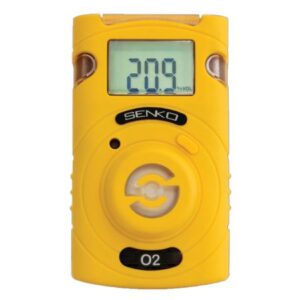
O2 molecules in themselves are not a problem however as they collide in gas mixtures they produce O2 radicals. An O2 radical will quickly bind to the next nearest molecule and in doing so will change or damage the molecule. The human body is adapted to cope with this but at higher partial pressures of O2 there are so many O2 radicals produced the body can’t keep up with repairs as cells become damaged resulting in the effects of ‘Oxygen poisoning’
What to learn more about our Oxygen Enrichment monitors? Check out our article Oxygen Enrichment Monitors for Hospital Wards.
Therefore:
- If the Oxygen level or pressure is too low we asphyxiate and quickly and die. Typically at sea level 12% or lower concentration.
- If the O2 level or pressure is too high then the level of the gas radicals rapidly damage cells resulting in blindness, seizures, respiratory distress and bleeding. Typically at sea level 45% or higher concentrations. This is the reason Oxygen therapy in hospitals can be controversial and should only be short-term.
- Higher than normal levels will also greatly accelerate fires and explosions so it is normal to alarm at levels above 23% at sea level.
[/vc_column_text][cws_sc_spacing height=”32px”][/vc_column_inner][/vc_row_inner][vc_row_inner css=”.vc_custom_1589197482293{padding-bottom: 30px !important;background-color: #f2f2f2 !important;}”][vc_column_inner][cws_sc_text customize_size=”1″ title_size=”30px” custom_title_color=”#0f1042″ title=”IGD Oxygen Depletion Monitors Solutions:“][/cws_sc_text][/vc_column_inner][/vc_row_inner][vc_row_inner][vc_column_inner][vc_single_image image=”8823″ img_size=”full” alignment=”center”][vc_column_text]IGD Oxygen depletion monitors will respond to changes in Oxygen partial pressures to alarm at low or high levels. IGD Oxygen depletion monitors represents a major advancement over older less reliable lead based sensor technology. IGD Oxygen sensor is based on new advances in solid polymer technology giving long life more than 5 years coupled with excellent accuracy and reliability. The Oxygen sensor finds applications in industry where Oxygen levels may become depleted thus presenting a serious hazard or enriched.
IGD offer a wide range of O2 detector technologies, including our ground breaking 2-Wire™ addressable O2 detector(s):
- 2-Wire™ Safe Area Oxygen depletion monitors
- 2-Wire™ ATEX Oxygen Depletion monitors
- Legacy analogue O2 Detector detector
- TOC-750B standalone oxygen depletion monitor
[/vc_column_text][/vc_column_inner][/vc_row_inner][/vc_column][vc_column width=”1/3″ css=”.vc_custom_1589191448889{margin-left: 20px !important;}”][vc_wp_custommenu title=”Gases” nav_menu=”91″][cws_sc_spacing height=”32px”][cws_sc_text custom_title_color=”#0f1042″ title=” Related Articles“][/cws_sc_text][cws_sc_text] [/cws_sc_text][cws_sc_text]
 [/cws_sc_text][cws_sc_text]
 [/cws_sc_text][cws_sc_text]
 [/cws_sc_text][cws_sc_text]
 [/cws_sc_text][/vc_column][/vc_row]