Nitric Oxide Gas Detectors from International Gas Detectors – We can provide a range of fixed sensors and portable gas monitors for the detection of NO.
It is important for many industries to have accurate and fast detection of nitric oxide to avoid the gas reaching dangerous toxic levels.
Discover our range of nitric oxide gas detector and associated instruments. Designed specifically for the detection of NO. Our nitric oxide gas detector range includes:
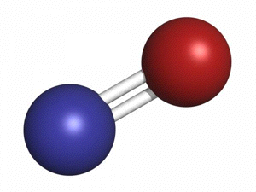
Nitric Oxide (NO), or nitrogen oxide also known as nitrogen monoxide, is a molecule with the chemical formula NO. At room temperature, Nitric Oxide is a colourless, non-flammable, poisonous, oxidising gas with an irritating odour. NO is extremely toxic by inhalation, and symptoms of over-exposure may not become apparent for up to 72 hours. The gas is an oxidiser and will support and enhance combustion. Nitric Oxide fumes may be encountered whenever nitric acid comes in contact with organic material such as wood, sawdust, or refuse. It can also result from heating nitric acid and when organic nitro compounds are burned, for example dynamite. The action of nitric acid upon metals, as in metal etching and pickling, also liberates this dangerous compound.
The aim of this page is to provide you with an understanding of the hazards and health effects of nitric oxide. In addition we will also discuss our innovative nitric oxide gas detector solutions. These include our 750 safe area gas detectors for non-ATEX applications. Our 750X series ATEX/IECEx for zone 1 and 2 flammable atmospheres. Plus our leading 750S aspirated nitric oxide gas detector for clean rooms and hard to reach areas.
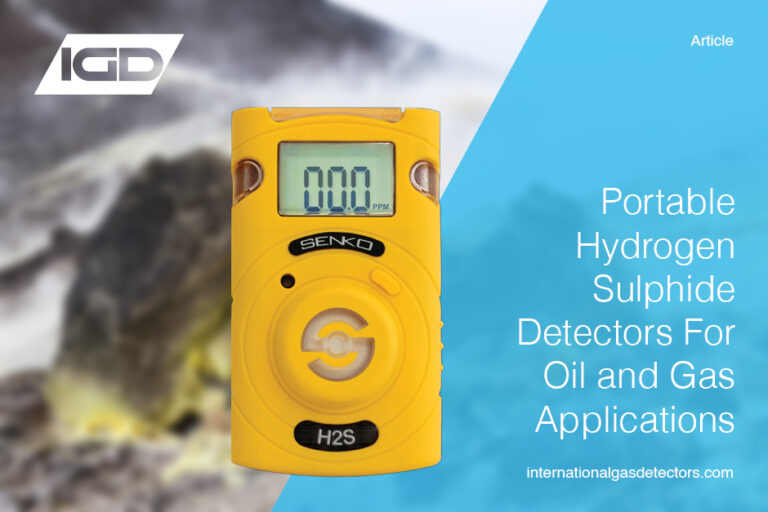
Finally we can provide a range of portable nitric oxide gas detectors to fit your needs in confined space.
The Uses of NO:
Nitric Oxide is a free radical and is an important intermediate in the chemical industry. Nitric Oxide is a by-product of combustion of substances as in automobile engines, fossil fuel power plants. Although NO has relatively few direct uses, it is produced on a massive scale as an intermediate in the Ostwald process for the synthesis of nitric acid from ammonia. In 2005, the US alone produced 6 million metric tons of nitric acid. It finds use in the semiconductor industry for various processes. In one of its applications, it is used along with nitrous oxide to form oxynitride gates in CMOS devices.
Exposure to high concentrations of NO can cause pulmonary oedema and death. Exposure to low concentrations of fumes, insufficient to cause pulmonary oedema, are said to result in chronic irritation of the respiratory tract, headache, cough, loss of appetite, dyspepsia, corrosion of the teeth and gradual loss of strength.
Related Products
TOC-750 Addressable PID VOC Detector
TOC-750X Photoionisation Detector
TOC-750 Fixed SF6 Gas Detector – Addressable Detector
TOC-625-NHS – Oxygen Enrichment Monitor
TOC-30 Analogue Gas Detector
TOC-20 Refrigerant Gas Detector
Common Applications
Industrial Refrigeration
Farming & Agriculture
Food Processing
Green Energy
IGD’s Nitric Oxide Gas Detector Solutions:
IGD offer a wide range of NO Detector, including our latest 2-Wire™ Addressable Nitric Oxide Detector: