
Hydrogen Chloride (HCL)
Hydrogen Chloride (HCL) is a colourless, highly toxic gas with a strong odour. HCL is also highly corrosive. Hydrogen Chloride readily dissolves in water to give Hydrochloric acid. In moist conditions, Hydrogen chloride gas reacts with water in the air to give clouds of Hydrochloric acid.
5.53 °C
80.1 °C
-Toxic
Pungent, Irritating
Colourless
Heavier than air
1st: 0.5ppm 2nd: 1ppm
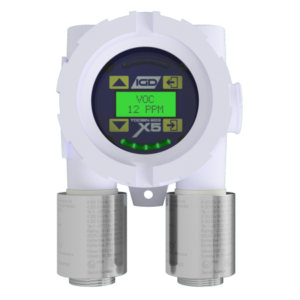
We can provide a range of hydrogen chloride gas detector solutions depending on what your site requires. Whether this is a full fixed system, using our industry leading addressable system, or a standalone ATEX transmitter connected to a site wide rack system, we have the solution. The below discusses the hazards of hydrogen chloride and typical applications. In addition we will also discuss some of our hydrogen chloride gas detector solutions. If in doubt give our team a call and we can discuss your requirements and provide a solution.
Where is HCL Used?
- fertilisers
- dyes
- a number of industrial chemicals.
- It is used to separate cotton from wool and fluff in the textiles industry.
- in electronics industry, to etch semiconductor crystals.
- HCL is also used to treat synthetic rubber and in metal processing treatments.
Examples of a Major Leak:
At a vinyl plant in Cheshire in 2000. A storage container leaked Hydrogen Chloride into the local area, which resulted in an explosion and 18 tonnes of Hydrogen Chloride to leak into the local area. This caused an evacuation of the Vinyl Plant and local residents were unable to leave there homes for many hours because of fear of exposure to the Hydrogen Chloride Gas. Had gas detection been used, the leak could have been detected at an earlier stage, preventing the explosion, consequential disruption and potential injury or loss of life.
Related Products
TOC-750 Addressable PID VOC Detector
TOC-750X Photoionisation Detector
TOC-750 Fixed SF6 Gas Detector – Addressable Detector
TOC-625-NHS – Oxygen Enrichment Monitor
TOC-30 Analogue Gas Detector
TOC-20 Refrigerant Gas Detector
Common Applications
Industrial Refrigeration
Farming & Agriculture
Food Processing
Green Energy
Health Hazards of Hydrogen Chloride:
Inhalation of HCL at low levels over short periods of time can cause throat irritation. Exposure to higher levels may result in effects including rapid breathing, blue colouring of the skin, fluid accumulation in the lungs and in extreme cases severe swelling of the throat, suffocation and death.
IGD’s Hydrogen Chloride Gas Detector Solutions:
We offer a wide range of Hydrogen Chloride gas detector technologies both addressable and legacy 4-20mA analogue, in the form of safe area and ATEX HCL gas detector. Including our ground breaking 2-Wire™ addressable gas detector technology:
In addition we can also provide a range of hydrogen chloride portable gas detectors, both multi gas and single gas monitors.
Send Us A Message
We are deeply committed to delivering unparalleled service and unwavering support to ensure your experience exceeds expectations.
Let’s Start Something New,
Say Hello!
Triton House, Crosby St, Stockport, SK2 6SH
Mon - Fri: 08:30 - 18:00
Closed at weekends
Related Press
Why You Need A Gas Detection Control Panel
The Importance of Regular Gas Detector Maintenance
Electric Vehicle Fires: Hydrogen Fluoride Risks and the Role of Gas Detection
Gas Detection in Latin America: A Year on the Ground with Lorena Monroy
Ozone Gas Detection: Essential Safety Practices
Introducing The BELLMINI Portable Single Gas Detector
Portable Hydrogen Sulphide Detectors For Oil and Gas Applications
What is ATEX? Gas Detection for Explosive Atmospheres
The TOC-903-X5 Steals the Show at ACHEMA 2024
Why You Are Paying Too Much For Gas Detection
Dealing with Flammable Gases: Pellistors vs. Infrared