
Gas Safety in Semiconductor Labs
The establishment of proper safety systems is essential in sophisticated industries such as the manufacture of semiconductors. The cleanrooms and laboratory areas in the field of semiconductors have some of the most stringent requirements known in manufacturing.
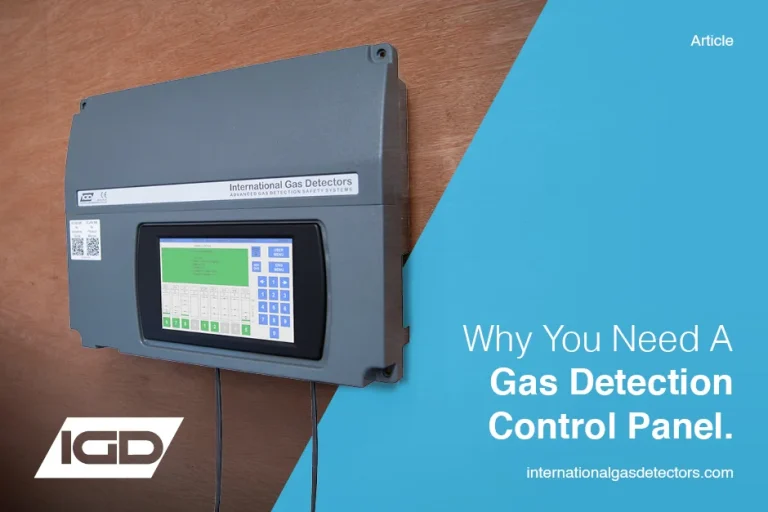
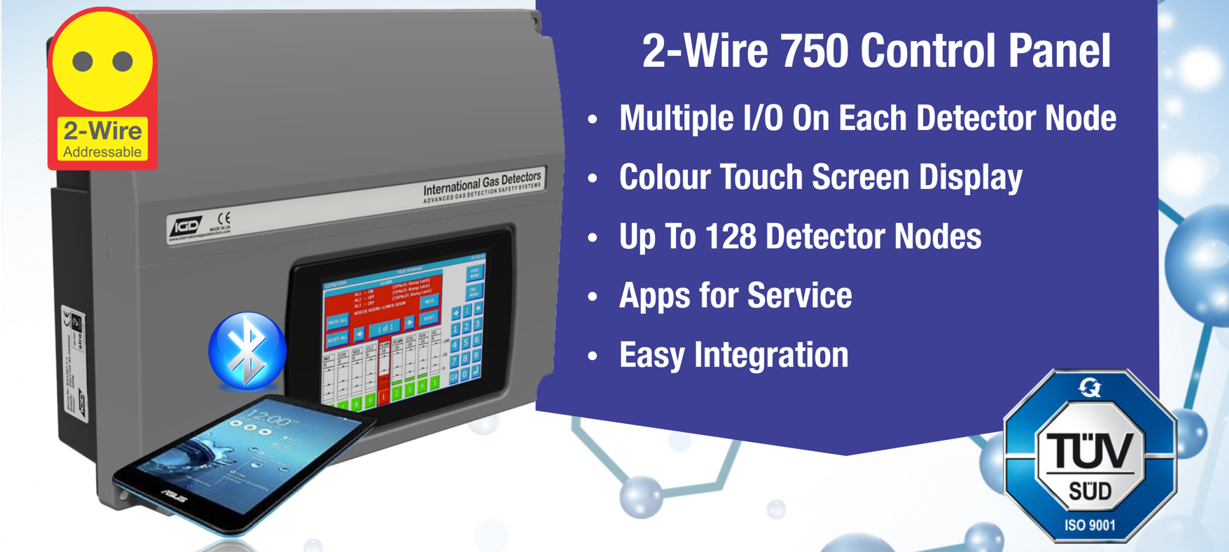
The lab environment must be controlled to eliminate dust and control: vibration, temperature, and humidity. However, there is also another important area. Semiconductor production requires the use of a number of highly corrosive and toxic chemicals to etch and process the silicon wafers. It is the toxic vapours and gases resulting from the use of these chemicals that require the presence of sophisticated gas detection systems as part of the safety in these laboratories. Gas detectors are able to detect Asphyxiants, flammable and toxic gases and are crucial safety systems. Detectors are usually integrated into a sophisticated control/monitoring system. These have the ability to:
- Alert personnel to the area of gas concentration using an alarm
- Pinpoint the area of the gas emission
- Interface with control systems to automatically shut down a process or area to contain the gas outflow
Examples of Gases Used in Semiconductor Production
The cleanroom laboratories contain equipment for photolithography, etching, cleaning, and doping. And it is these processes that require the use of corrosive and toxic chemicals. For example, gallium arsenide (GaAs) doping, uses the toxic gas hydrogen sulphide to incorporate sulphur into the gallium arsenide. The toxic liquid carbon tetrachloride is used in plasma etching of silicon as a source of chlorine gas. Other examples of toxic chemicals used for doping and etching include phosphine gas, diborane gas, sulphur hexafluoride (SF6), and dichlorosilane.
A Gas Detection System for Fab Production
We (IGD) are a UK-based company originally established in 1917. In addition to this, we provide a wide product range with detectors suitable for all environments. As a company we supply one of the widest ranges of some 400+ different gases. We were recently asked to provide a comprehensive gas detection system for a new UK based fab manufacturing plant. The fab company required a very specific gas detection system. The requirements included:
- All gas detection as a single system for improved safety, service data, end-user training and expansion
- The ability to detect an exotic range of toxic gases and vapours
- The ability to interrogate the system using an HMI controller with data logging, trending and remote GSM alerts
- Being able to establish individual areas with cause and effect feedback systems with an addressable gas detection system. This allows a centralised system to provide the necessary local alarm and control.
- The capacity to control third-party equipment and solenoid valves without additional wiring and control systems. Integrated safety systems providing a more secure solution.
IGD was able to offer the fab manufacturer a fully flexible detection system; in a cost-effective manner using our full range of safe area, ATEX gas zone, and sampler units. The specific setup means that the system can monitor and control multiple areas. The system was implemented very much by the client but we provided full training and design support at every step of the project. For the fab manufacturer, the ability to detect a wide range of the gases and vapours they use was highly important to the overall success of the detection project implementation.
Advantages of the IGD System
There were a number of reasons why the system was purchased from IGD. Firstly, we have a global reputation with a long history of technology and systems expertise. Secondly, our 2-wire addressable system provided the fab manufacturer with a 70% cost saving on the installation when compared to less sophisticated analogue systems on the market. In addition, the system could be purchased from one supplier with no integration problems. Thirdly, and most importantly is the quality of the equipment.
We were able to provide long-life (more than 5 years) O2 sensors and long life ‘Pellistor’ (catalytic) sensors (more than 5 years) as well as reliable NO (nitric oxide) and N2O sampler/detectors. IGD oxygen sensors have a unique polymer construction to provide long-life.
Pellistor based detectors are used to detect gases, which are combustible and are an excellent ‘first responder’ for potentially flammable gases. With our long experience in the design of Pellistor based detectors over 60 years. IGD Pellistors offer a reliable long-life detector solution. Conventional Pellistor and oxygen sensors available from other suppliers generally only have a lifetime of 18 months to three years. Therefore the longer life of the IGD detectors makes the system less expensive to install and operate.
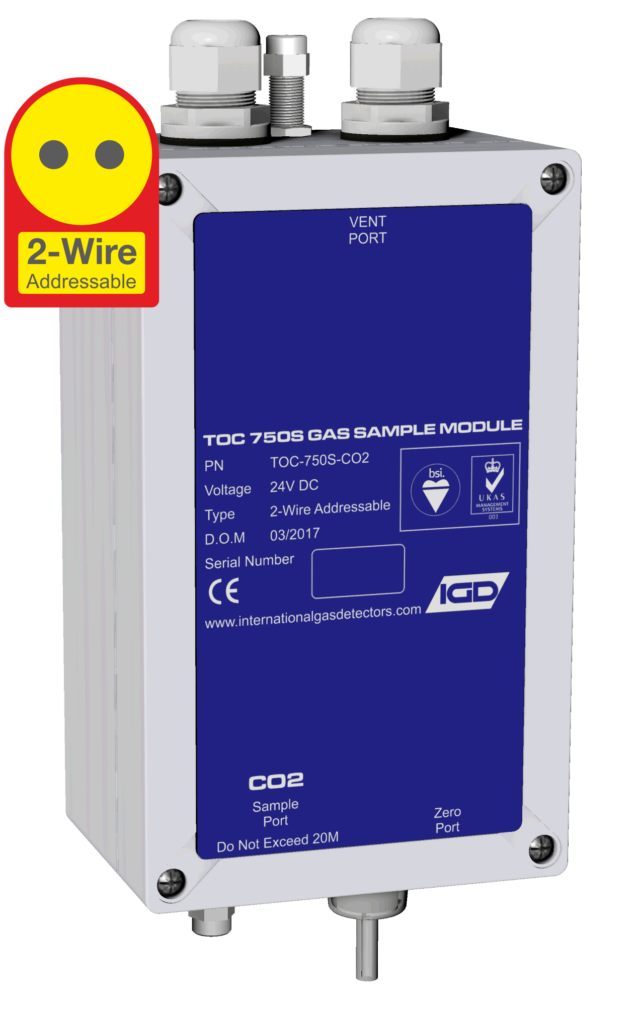
IGD sampler technology was installed into the clean room areas on the same 2-Wire network as the conventional detectors. The samplers provide minimum impact in a clean room, requiring only a small bulkhead sample point rather than a bulky detector which can be a dirt or bug trap in a clean room. The sample module is then located conveniently for service outside the clean room area. The sampler communicates its data back just as any other detector on the network but additionally also continually monitors its sample flow rate.
The Future of the System
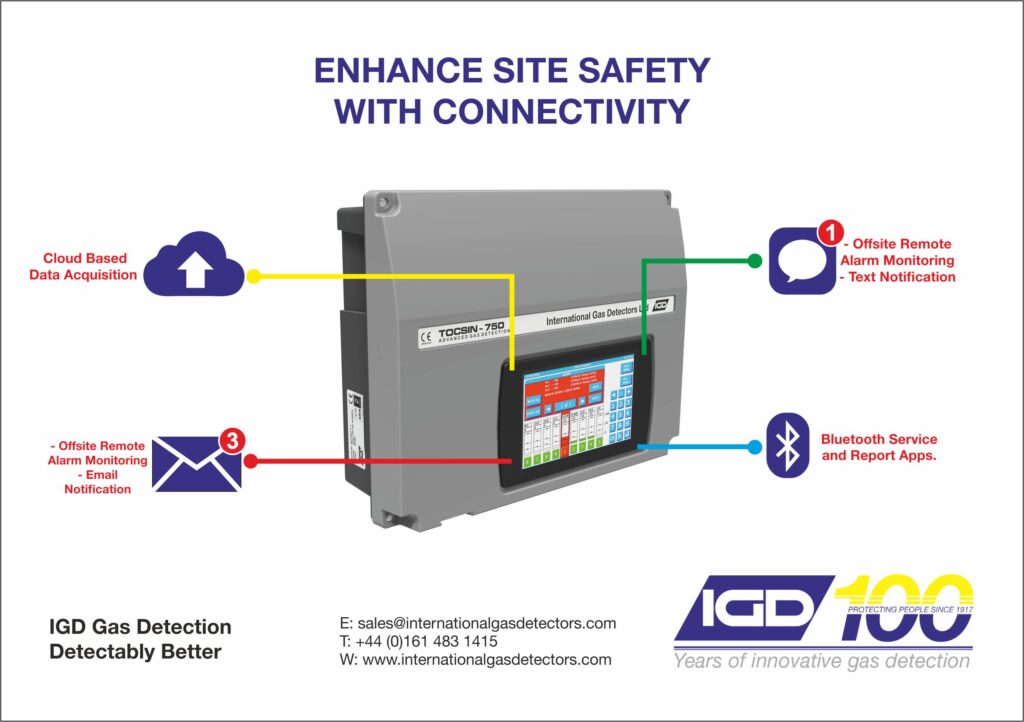
Phase two of the system implementation for the fab manufacturer will seek to make use of IGD’s 2-wire addressable system in conjunction with a cloud-based data acquisition system. This will allow the system to be interrogated remotely from anywhere straight from the cloud. There is also the requirement to add GSM to the system to allow remote alarm texts and calls as well as weekly reports of incidents. Additional training is now planned for the system expansion to provide personnel with a comprehensive overview.
IGD Systems
IGD are a technology pioneer and have both the expertise and equipment to provide state-of-the-art fully networked gas detection systems. Our addressable gas detection systems use Sentinel+ 2-Wire protocols to provide the best operation and security for integrated gas detection networks. Furthermore, our two-wire system means minimal cabling so that it is quick and easy to install, running detectors and control devices off the same network cabling. In addition, room status monitors can provide an indication from outside a room of its status based on the output of up to eight different detectors and can integrate with room alarms and room entry control. We have the knowledge and ability to provide custom system solutions.
Want to stay up to date with the latest news, case studies and product releases? Sign up to our monthly email campaign today: Insights into Gas Detection.