
Hazardous gases pose a serious risk in many workplaces, from industrial sites to laboratories and confined spaces. Gas detectors are crucial safety devices that help prevent toxic exposure, explosions, and oxygen depletion. However, installing gas detectors is only the first step. Without regular maintenance, these devices can become unreliable. This can lead to inaccurate readings, false alarms, or even complete failure when they’re needed most.
A well-maintained gas detector can mean the difference between life and death. Over time, sensors degrade, environmental conditions affect performance, and minor malfunctions can render a device useless in an emergency. Proactive servicing and calibration ensure these systems remain effective, providing early warnings before a hazardous situation escalates.
- Gas detectors are only effective if properly maintained.
- Environmental conditions and sensor drift can cause false alarms or missed hazards.
- Neglect increases the risk of toxic exposure, explosions and system failure.
- Maintenance is legally required to stay compliant and protect workers.
- Routine servicing, calibration and testing keep detectors accurate and ready when needed.
- IGD support and service contracts make ongoing maintenance simple and reliable.
Gas detectors operate in demanding environments. Exposure to extreme temperatures, humidity, dust, and corrosive substances can impact accuracy. Sensors may drift over time, leading to faulty readings that either fail to warn of real dangers or cause unnecessary disruptions due to false alarms. Regular calibration corrects this drift, ensuring accurate gas concentration measurements and a dependable warning system.
When detectors fail to function properly, the risk of undetected gas leaks increases, particularly in areas where flammable substances like methane or propane are present. Even a minor leak can escalate into an explosion if left unnoticed. Similarly, exposure to toxic gases such as hydrogen sulfide or carbon monoxide can be fatal within minutes. Regular servicing prevents these risks, safeguarding workers and infrastructure. Beyond immediate safety concerns, maintenance is a legal requirement. Regulatory bodies such as OSHA (Occupational Safety and Health Administration) and the EPA (Environmental Protection Agency) mandate strict guidelines for gas detection systems. Failure to comply can result in fines, legal liabilities, and reputational damage. More importantly, it places workers in unnecessary danger. A structured maintenance schedule helps businesses meet compliance requirements while reinforcing a strong safety culture. A structured maintenance plan ensures gas detectors function correctly and remain reliable over time. Regular gas detector maintenance includes:
- Calibration – Adjusting the detector to ensure accurate readings. Most manufacturers recommend calibration every 6 to 12 months, though high-risk environments may require more frequent adjustments.
- Bump Testing – A quick functional check to verify the detector responds correctly to gas exposure. This should be performed daily or before each use in hazardous environments.
- Sensor Replacement – Gas sensors degrade over time, typically lasting between 1 and 5 years, depending on the type. Replacing sensors before they fail ensures continued accuracy.
- Battery Checks – For portable detectors, ensuring batteries are charged or replaced regularly prevents unexpected failures.
- Visual Inspections and Cleaning – Dust, dirt, and moisture can obstruct sensor openings, reducing sensitivity. Regular cleaning and visual checks help maintain performance.
- Software Updates – Many modern gas detectors use digital monitoring systems. Keeping software up to date ensures compatibility with safety networks and compliance with industry standards.
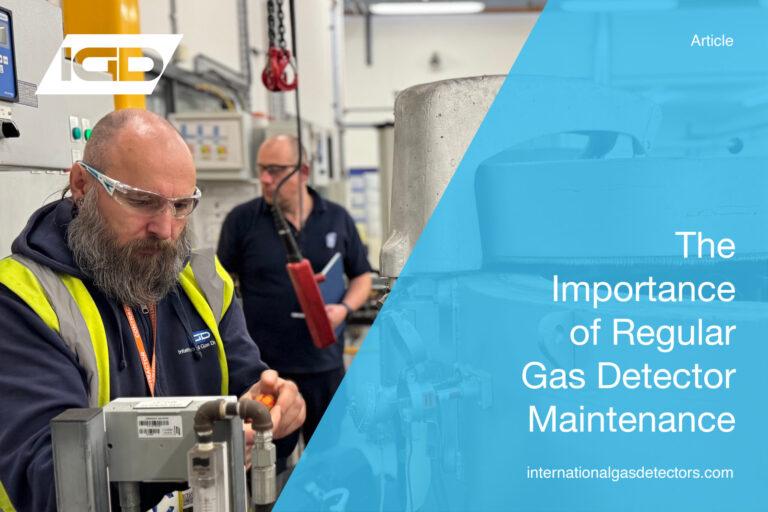
Routine maintenance reduces risks, extends device lifespan, and ensures gas detectors remain an effective safety measure in the workplace. Keeping gas detectors in peak condition doesn’t have to be complicated. International Gas Detectors (IGD) offers tailored service contracts that include routine calibration, testing, and system checks. These help businesses maintain safety and compliance without unnecessary downtime.
Our expert calibration services ensure detectors function accurately and meet regulatory standards, while detailed reports provide businesses with complete maintenance records. By detecting potential issues before they become critical, we help prevent equipment failures and safety risks.
To further support workplace safety, we provide free training programs that equip businesses with the knowledge to operate and maintain their gas detection systems effectively. A well-trained workforce reduces errors, enhances safety, and fosters confidence in gas monitoring equipment.
With our support, businesses can simplify gas detector maintenance while ensuring their equipment remains reliable, compliant, and ready to protect workers at all times. Neglecting gas detector maintenance can put workers and operations at risk. Faulty detectors may fail to warn of toxic exposure or gas leaks, leading to accidents, regulatory penalties, and costly downtime. Regular maintenance ensures these systems remain accurate and reliable when they’re needed most.
International Gas Detectors (IGD) provides expert aftercare services, including calibration, testing, and training, helping businesses maintain compliance and workplace safety. Committing to routine services enables companies to protect their workforce, reduce risks, and ensure the long-term reliability of our gas detection systems. To learn more about our maintenance solutions, get in touch with our team today.
Contact our team today to see how our Sentinel+ Digital Gas Detection system and Aftercare+ service can help ensure the safety of your staff.