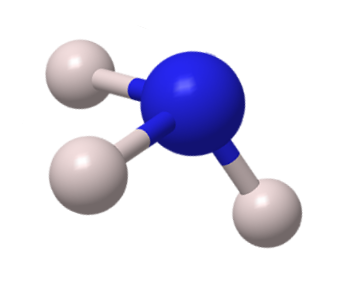
Ammonia (NH₃) is a widely used industrial gas with a strong, pungent odour and a high toxicity risk at relatively low concentrations. It is lighter than air in dry conditions, but in the presence of moisture, anhydrous ammonia vapours can become heavier than air, allowing gas to accumulate at lower levels. Because ammonia is both toxic and flammable, reliable ammonia gas detection is essential in any environment where it is stored, processed or used.
Ammonia is one of the most commonly produced industrial chemicals and plays a critical role in multiple sectors. It is widely used as a refrigerant in large industrial and commercial refrigeration systems, as well as in fertiliser production, agriculture, chemical processing and food manufacturing.
The risks associated with ammonia stem from its toxicity, corrosive nature and behaviour under pressure. Even small leaks can quickly create dangerous atmospheres, particularly in enclosed plant rooms or valve stations. High concentrations can cause severe respiratory injury, chemical burns and, in extreme cases, fatal exposure. Because ammonia is often stored and transported as a compressed liquid, leaks can rapidly expand into large vapour clouds.
Early detection is therefore critical, not only for protecting personnel, but also for maintaining system integrity and preventing escalation of incidents.
Where ammonia is used and why it presents a risk
In the UK, ammonia is classed as a hazardous substance and is covered under COSHH for health exposure and DSEAR where its flammable properties present an ignition risk. Employers have a legal duty to assess risk, implement suitable controls and ensure effective monitoring is in place wherever ammonia may be released.
Sensor spotlight
Long-life ionic ammonia sensors
Electrochemical sensors specifically developed for ammonia (NH₃) detection
High sensitivity and selectivity for reliable low-level monitoring
Industry-leading operational life with stable performance and minimal drift
Fast response for early leak detection in refrigeration and plant environments
Related Products
TOC-750 Addressable PID VOC Detector
TOC-750X Photoionisation Detector
TOC-750 Fixed SF6 Gas Detector – Addressable Detector
TOC-625-NHS – Oxygen Enrichment Monitor
TOC-30 Analogue Gas Detector
TOC-20 Refrigerant Gas Detector
Other common ammonia applications
Agriculture and fertiliser production
Ammonia is used as a key raw material in the production of nitrogen-based fertilisers that support crop growth.
Food and beverage processing
Ammonia is used as a key raw material in the production of nitrogen-based fertilisers that support crop growth.
Food Processing
Ammonia is used as a building block in the manufacture of a wide range of chemicals, including plastics, resins and pharmaceuticals.
Green Energy
Ammonia is present as a by-product of organic waste breakdown and must be carefully monitored and controlled during treatment processes.
IGD solutions for ammonia gas detection
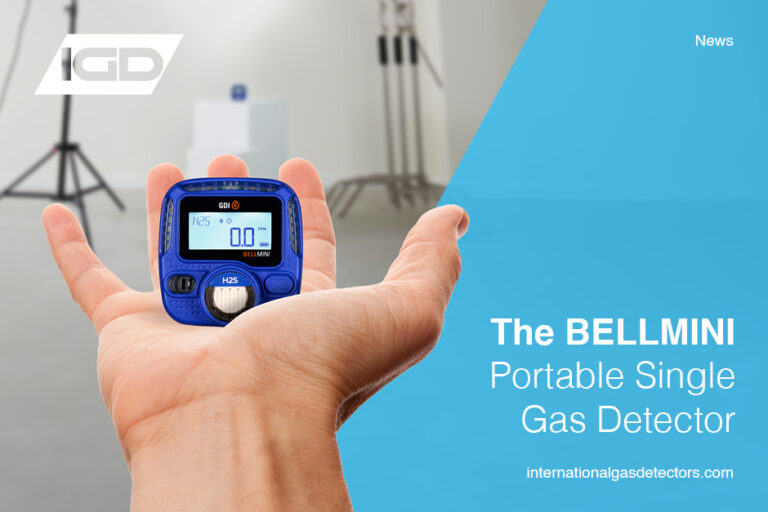
International Gas Detectors provides both fixed and portable solutions for ammonia monitoring, allowing sites to tailor detection to their specific risk profile. The TOC-750X offers ATEX-rated monitoring for refrigeration plant rooms, and the TOC-750S provides valvestations with the perfect sampler solution via our Sentinel+TM digital system. The BELLMINI offers reliable, personal protection for personnel and app connectivity. Together, these solutions help ensure early warning, regulatory compliance and long-term protection for people, plant and infrastructure.
IGD’s ammonia gas detection in action:
Implementing Ammonia Gas Leak Detection for a Multinational Supermarket Chain
We worked alongside HVAC and building services specialist Phares Engineering to deliver an upgraded ammonia gas leak detection system for a large industrial refrigeration facility operated by a British multinational supermarket chain. The project involved the installation of multiple ammonia gas detectors to meet low-level alarm requirements and ensure compliance with EN378, COSHH and other relevant standards. Using IGD’s ionic ammonia sensing technology and Sentinel+ addressable gas detection, the system provides reliable, long-term performance in low-temperature environments while supporting safe operation, regulatory compliance and future scalability. See more here.
Send Us A Message
We are deeply committed to delivering unparalleled service and unwavering support to ensure your experience exceeds expectations.