Chlorine Gas Detectors from International Gas Detectors – We can provide a range of fixed sensors and portable gas monitors for the detection of Cl2.
It is important for many industries to have accurate and fast detection for Chlorine to avoid the gas reaching dangerous toxic levels.
Discover our range of chlorine monitors and associated instruments. Designed specifically for the detection of Cl2. Our chlorine gas detector range includes:
Chlorine is a toxic gas greenish yellow gas with a characteristic odour.
combines directly with nearly all elements.
is a respiratory irritant.
CL2 irritates the mucous membranes and the liquid burns the skin.
Breathing lower concentrations can aggravate the nose, throat and lungs, and exposure to the gas can irritate the eyes
is detectable in concentrations of as low as 0.2 parts per million (ppm), and by smell at 3 ppm. Coughing and vomiting may occur at 30 ppm and lung damage at 60 ppm. 1000 ppm is likely to be fatal after a few deep breaths.
Where Chlorine Has Been Used?
On April 22, 1915, chlorine gas was used as the first chemical weapon at the start of the Second Battle of Ypres in World War I. The German troops used 180,000 kilograms of chlorine gas that day to drive back the opposing French and Algerian troops; the Germans launched a second chemical attack a few days later on the Canadians. After World War I, chlorine gas was replaced with more potent chemical weapons.
More recently in 2007, insurgents in Iraq rigged explosives to trucks filled with chlorine gas tanks, releasing the toxic gas in highly populated areas.
CL2 does not occur naturally, accidents can commonly occur when chemicals are inadvertently mixed.
May 2015 saw a release of chlorine gas from a scrubber during a routine cleaning operation when hydrochloric acid was added to a sump containing sodium hypochlorite. Employees involved in the cleaning operation had not received the necessary training and instruction. Training, risk assessments and correct use of Personal Protective Equipment(PPE) is vital in the prevention of accidents when handling chemicals. The chemicals being handled may not pose a hazard but in combination, as in this case, can have fatal consequences.
The most common compound of Chlorine is Sodium Chloride or table salt.
Chlorine is commonly used in bleaches and disinfectants (particularly swimming pools) and is used to keep tap water ‘sweet’.
Chlorine is used in the manufacture of a wide range of consumer products, about two-thirds of them organic chemicals such as PVC as well as many intermediates for production of plastics such as polycarbonates, polyurethanes, silicones PTFE and more . Approximately 15000 Chlorine compounds are used commercially.
TOC-750 Fixed SF6 Gas Detector – Addressable Detector
TOC-625-NHS – Oxygen Enrichment Monitor
TOC-30 Analogue Gas Detector
TOC-20 Refrigerant Gas Detector
Common Applications
Industrial Refrigeration
Farming & Agriculture
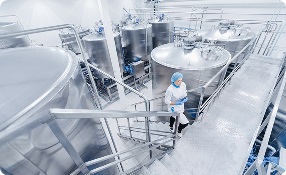
Food Processing
Green Energy
IGD’s Chlorine Gas Detector Solutions:
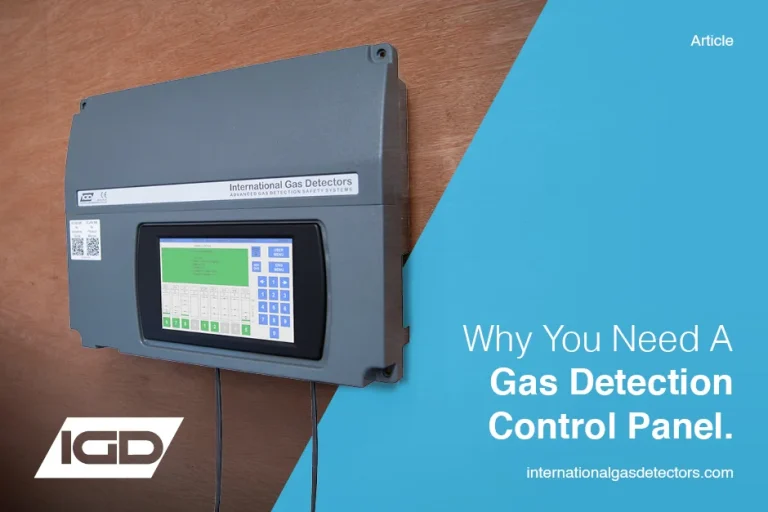
Wanting to buy a complete Chlorine gas detection kit? Our T635 Chlorine gas detection system, is the ideal solution. Utilising our industry leading Sentinel+ addressable communication and industry first 1 click automatic system setup. Saving you time and reducing installation costs. In a matter of minutes you will have a running chlorine gas detector / system with minimal installation cost. All our systems are provided with test certificates, copy of setups and pre-calibrated sensors. Plus tested to the highest standards including BS EN 60079 series standard.
IGD can offer a wide range of gas detection technology for safe area Chlorine Gas Detector. Including our ground breaking 2-Wire™ technology: