



5.53 °C
80.1 °C
-Toxic
Pungent, Irritating
Colourless
Heavier than air
1st: 0.5ppm 2nd: 1ppm
Hydrogen Fluoride (HF) Uses:
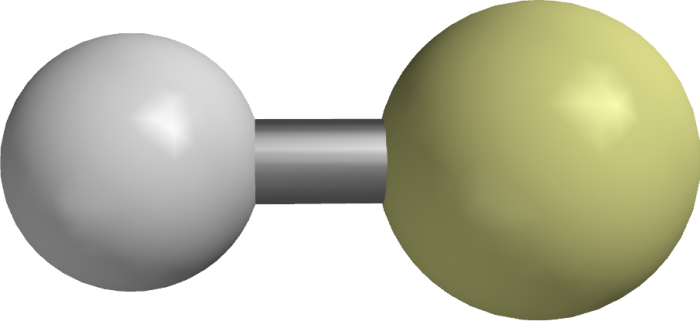
Hydrogen Fluoride is main gas source used in fluorine. This makes Hydrogen Fluoride the precursor to many pharmaceutical and industrial compounds and polymers, especially Teflon. It is universally used in many superacids, such as Fluoroantimonic acid. Other uses for Hydrogen Fluoride include;
- separating uranium isotopes
- as a cracking catalyst in oil refineries
- etching glass and enamel
- removing rust
- cleaning brass and crystal
- It also is used in manufacturing silicon semiconductor chips and as a laboratory reagent.
Health Effects and Hazards
If Hydrogen Fluoride gas is inhaled, not only from the gas but also from the vapours arising from concentrated Hydrogen Fluoride liquid, even in fairly low concentrations can cause:
- separating uranium isotopes
- as a cracking catalyst in oil refineries
- etching glass and enamel
- removing rust
- cleaning brass and crystal
- It also is used in manufacturing silicon semiconductor chips and as a laboratory reagent.
Hydrogen fluoride can enter the body either by inhalation of air containing hydrogen fluoride or by dermal contact with hydrofluoric acid (dissolved form of HF). Dermal contact with hydrofluoric acid occurs mainly in the occupational setting. Inhalation of air containing hydrogen fluoride can cause irritation of the eyes, nose and throat.
Exposure to high levels may cause muscle spasms and can damage the lungs and heart and in extreme cases can result in death. Hydrofluoric acid is highly corrosive which means, physical contact(contact with skin or eyes) with hydrofluoric acid can cause severe skin burns. The skin may initially be red and painful while severe burns and internal tissue damage can develop over time following exposure. Absorption of large quantities of hydrofluoric acid through the skin can affect the heart and lungs and in extreme cases may result in death. Symptoms may be delayed for several days, especially in the case of exposure to dilute solutions of hydrogen fluoride (less than 20%). Survivors of severe inhalation injury may suffer residual chronic lung disease.
Related Products
TOC-750 Addressable PID VOC Detector
TOC-750X Photoionisation Detector
TOC-750 Fixed SF6 Gas Detector – Addressable Detector
TOC-625-NHS – Oxygen Enrichment Monitor
TOC-30 Analogue Gas Detector
TOC-20 Refrigerant Gas Detector
Common Applications
Industrial Refrigeration
Farming & Agriculture
Food Processing
Green Energy
Clients & Applications We Have Supplied HF Gas Detection to:
- Jaguar Land Rover
- SAIC Motor UK
- Lithium Ion Battery Storage
- Lithium Ion Battery Testing
- Yachts
- Pharmaceuticals
- Glass Etching
- Semiconductor chips
IGD Hydrogen Fluoride Gas Detector Solutions:
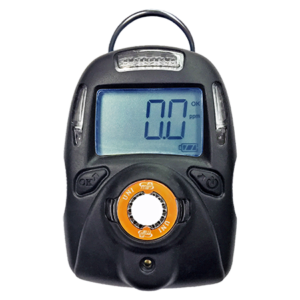
IGD’s HF sensor is available as an 2-Wire Safe area sensor or as a aspirated detector for clean room environments. In addition we can also provide hydrogen fluoride gas detector as a portable monitor for personal protection.

Send Us A Message
We are deeply committed to delivering unparalleled service and unwavering support to ensure your experience exceeds expectations.
Let’s Start Something New,
Say Hello!
Triton House, Crosby St, Stockport, SK2 6SH
Mon - Fri: 08:30 - 18:00
Closed at weekends
Related Press
Why You Need A Gas Detection Control Panel
The Importance of Regular Gas Detector Maintenance
Electric Vehicle Fires: Hydrogen Fluoride Risks and the Role of Gas Detection
Gas Detection in Latin America: A Year on the Ground with Lorena Monroy
Ozone Gas Detection: Essential Safety Practices
Introducing The BELLMINI Portable Single Gas Detector
Portable Hydrogen Sulphide Detectors For Oil and Gas Applications
What is ATEX? Gas Detection for Explosive Atmospheres
The TOC-903-X5 Steals the Show at ACHEMA 2024
Why You Are Paying Too Much For Gas Detection
Dealing with Flammable Gases: Pellistors vs. Infrared