
Many surfaces around the world are made with one primary material: Asphalt. Asphalt is a composite material derived from the fractional distillation of crude oil, creating a hazard to workers in its manufacturing environment. That hazard is a carcinogenic substance called benzene, which poses many risks even at low levels of exposure. Because of its harmful effects on humans, benzene detection in asphalt production is crucial.
What is Asphalt and How is it Produced?
Asphalt is made from a combination of materials mixed at a high temperature and is commonly used in agricultural, industrial, and transportation industries. Popular applications include tennis courts, parking lots, roads, and runways because the aggregates (crushed stone and gravel), binders, and fillers used in asphalt are hard-wearing materials that can tolerate temperature fluctuations and heavy loads.
Most asphalt used today is processed by refining petroleum. Manufacturers heat crude oil rapidly, distilling a heavy residue that cannot be boiled further. This residue is known as asphalt but only accounts for around 10% of the drum mix. Around 90% of crude is used for products such as petrochemicals and gasoline1. If you’re wondering where benzene comes into this process, keep reading. We explain that in the following sections.
How is Benzene Present in Asphalt & Why is Benzene Detection Important?
Benzene is naturally a part of many different substances, with the most common examples being cigarette smoke, gasoline, forest fires, volcanoes, and crude oil. Crude oil is used to produce various products, such as fuel oils, gasoline, nylon, and rubber. And as mentioned, crude oil is a key component in asphalt production, making benzene a potential hazard.
Asphalt is used for surfacing applications like roads, playgrounds, and car parks, making it common worldwide. Due to its prevalence as a surfacing material, asphalt manufacturing involves many people, all of whom should be protected from benzene exposure.

Benzene in Asphalt Production
Because benzene is a carcinogenic substance that poses many hazards to humans, benzene detection is crucial in any environment where asphalt is produced. Exposure to this dangerous substance must be managed carefully to minimize the risks it could have on workers, which can cause dizziness, headaches, and breathing problems at lower levels of exposure. More severe cases, such as high-level or long-term exposure, could result in convulsions, heart and lung issues, and neurological impacts.
Benzene detection is required in asphalt production because of the processing of crude oil in the early stages of manufacturing. This processing of this component can lead to the emission of benzene gas, therefore the asphalt production process must be monitored with the correct equipment to keep workers safe.
Benzene and other volatile organic compounds are detected with a photoionisation detector (PID), which takes a small amount of the gas and ionises it with UV light, fitted with a benzene specific filter tube. With this sample, the detector can measure how much gas is present and turn it into a gas reading.
International Gas Detectors
International Gas Detectors have been providing the highest quality PID products and services for over 20 years. We offer a wide range of fitted VOC detectors, portable instruments for personal safety, and multi gas detectors, so we have a solution for you regardless of your gas-detecting application. Our experience ensures you receive detectably better equipment, along with safety advice and customer support, all of which enable you to monitor the presence of benzene and other VOCs safely.
PID NEO Benzene Portable Detector
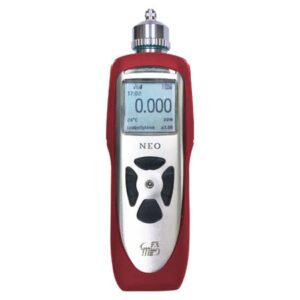
One example of the PIDs we offer is the PID NEO, one of the market’s most advanced portable benzene detectors. It’s compact, lightweight, and ideal for detecting benzene on the go and in smaller spaces. The NEO benzene provides smart sampling, operating at high speeds initially and slowing down if the pump measurement is continued for a 15-minute STEL reading. This ensures that the tube does not become saturated with interfering compounds as quickly for a more cost effective and long lasting solution, a feature that is essential in this industry. With a long battery life and easy charging, the NEO benzene is perfect for the asphalt industry, where charging may not be as easily accessible and long usage may be required. The NEO benzene is backed by servicing and support from IGD, the oldest gas detection company in the world and experts in benzene gas detection in the Asphalt industry.
Contact us today if you require benzene monitoring devices or are interested in learning more.