
Gas detection in the aviation industry is critical for primarily maintaining the safety maintenance crew due to the plethora of environments they may work in. Jet fuel and confined spaces both present a gas hazard for these personnel, therefore gas detection equipment is installed to ensure their safety. This blog post will look at what gas detection systems are available and how they increase aviation safety.
The Importance of Gas Detection in the Aviation Industry
There are several aspects of gas monitoring to consider in the aviation industry, and these include the following:
Jet Fuel
Jet fuel is one of the main hazards in the aviation industry. There are a wide variety of different petroleum-based fuels used as jet fuels, all of them being flammable. Jet A, A1 and AVGAs are amongst the primary jet fuels used in aviation, with all of these containing a huge mix of different hydrocarbons. Therefore, the flammability range can differ depending on the type of jet fuel being used in that area. Due to the flammability possibility of these fuels, implementing an effective Flammable gas detector is essential to catch leaks early within hangars.

Confined spaces
Maintenance workers may often perform maintenance work within confined spaces inside planes and jets, such as wing tanks. In addition to the flammability of jet fuel, this substance also often contains compounds such as toluene, xylene and methyl ethyl ketone. Thus creating a toxic hazard. Therefore, when entering confined space environments such as this, it is paramount to staff safety to monitor for potential toxic, flammable and oxygen deficient hazards with a personal detector.
VOCs
As mentioned previously, toxic components such as xylene and toluene are often found in the aviation industry. However, there is also the possibility of other VOCs becoming present in these environments, such as benzene and methylene. VOCs such as benzene are highly carcinogenic, causing long term illnesses such as cancer from long term over exposure. Therefore, to ensure the long term safety of your staff, implementing a VOC detector is highly beneficial.

Gas Detection Systems for the Aviation Industry
There are a large number of gas detectors available to suit a range of applications. VOC, flammable and toxic gas detection is crucial in the aviation industry and can be supported using a number of gas detectors.
Gas Detection at IGD
International Gas Detectors (IGD) develop and manufacture a wide range of gas detection products to help prevent people and the environment from facing hazardous gasses. Our gas detection products are commonly used worldwide in the aviation industry. Additionally, we also provide continuous calibration and maintenance services for your gas detection systems.
We have a complete range of flammable gas detectors, which include some of the following products:
TOC-750X Fixed Gas Detector
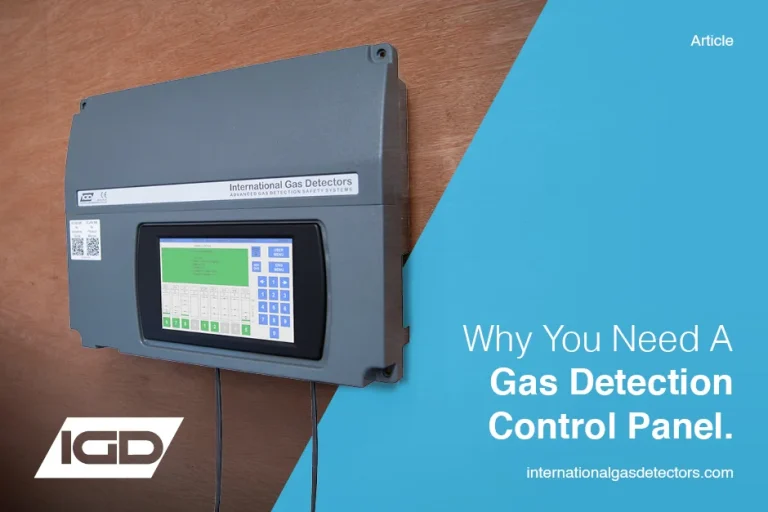
In the aviation industry, a fixed gas detector like the TOC-750X can be installed in larger spaces to help detect flammable, VOC, and toxic gas leaks as quickly as possible. This includes hangars and spaces where production processes take place. The benefits of a fixed gas detector include continuous monitoring and system support to record data.

MK8
The MK8 is a low-cost, reliable flammable gas detector. It is the most advanced on the market, can respond to any flammable gas or vapour, and is highly poison resistant. It is an ideal solution for the aviation industry and fuel gas monitoring because of its reliability and long life.
The new IGD PID detectors are raising the standard for VOC gas detection. Our fixed ATEX PID detectors have a lamp life of 30,000hrs (200% increase) and unaffected by temperature and humidity change. This makes them ideal solution for fixed VOC detection in the aviation industry.
Our TOC-750X detector can have a wide range of electrochemical toxic sensors fitted to ensure you are protected from specific toxic gas risks onsite.
Multi-Gas Monitor (POLI Monitor)
Our POLI monitor is suitable for a range of applications, especially for confined spaces. It can detect up to 5 gases at once, has over 30 intelligent plug-and-play sensors, and has multiple alarms. It is one of the market’s most flexible multi-gas monitors and can detect carbon dioxide, hydrogen, VOCs, and many other gases.
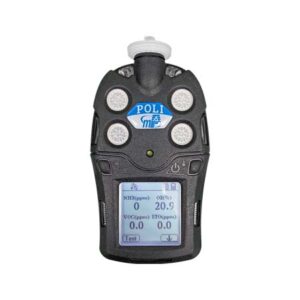
Portable monitors are ideal for personnel to carry out pre-entry checks before entering smaller spaces, such as engines and wing tanks. The POLI can be fitted with an internal pump to allow for pre-entry gas checks. Once inside the confined space the POLI can be switched to diffusion mode.
If you would like more information about our gas detection systems, please don’t hesitate to contact us today, and we will get back to you promptly.